

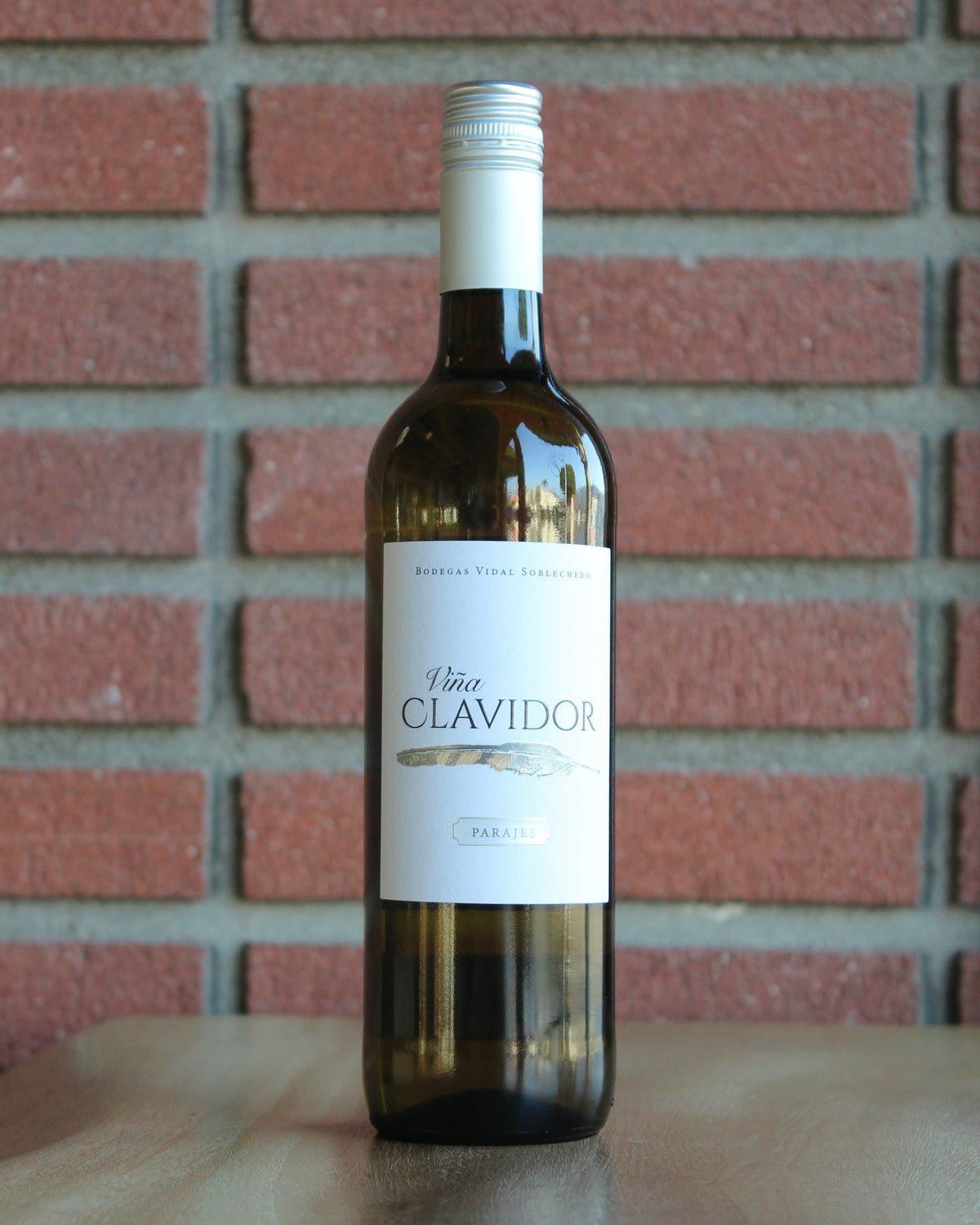
Vidal Soblechero Vina Clavidor Verdejo 2022
Vidal Soblechero Vina Clavidor Verdejo 2022
Rueda, Castilla y Leon, Spain
Couldn't load pickup availability
Share
-
Tasting Notes
The 2024 Viña Clavidor Verdejo comes from old-vine vineyards averaging 60 years across 55 separate parcels in La Seca, DO Rueda. With 90 % head-trained vines, organically managed and dry-farmed, this estate-driven wine is fermented entirely in stainless steel, emphasizing purity, freshness, and the true expression of Verdejo.
Classic Verdejo characteristics shine through: a crisp, bright acidity, a lightly stony minerality, and a clean, refreshing structure. Aromatically, the wine carries soft green pear and subtle stone fruit notes, with gentle tropical undertones that nod to the warmer 2024 vintage, yet it avoids overly fruity or guava-like exaggeration. A hint of vanilla adds softness without masking the grape’s natural vibrancy.
While the wine shows many hallmarks of traditional Verdejo—its freshness, minerality, and aromatic lift—this vintage is particularly nuanced. The combination of mature, head-trained old vines, the cool nights and high altitude of La Seca, and the careful estate-focused viticulture have contributed to a refined tropical note and slightly richer mouthfeel than a standard Rueda Verdejo, without losing the bright, lively character typical of the grape.
The palate is light to medium, with the minerality lending subtle tension and structure beneath the expressive fruit. The finish is clean and persistent, with lingering pear, soft stone fruit, and a whisper of citrus and stony minerality. This 2024 Viña Clavidor Verdejo stands out as a fresh, elegant, and precise expression of old-vine Rueda Verdejo, perfectly balancing tradition and the unique signature of a warm, yet well-balanced vintage. -
Story
In the heart of Spain’s DO Rueda, the Vidal family has been cultivating vineyards in the village of La Seca for more than 15 generations, earning a reputation for crafting authentic, small-lot Verdejo that reflects the land’s singular character.
The winery as it exists today, Bodegas Vidal Soblechero, was officially founded in 1999 by siblings Alicia and Vidal Vidal Soblechero, who inherited their father Claudio Vidal’s passion for the vineyards. For decades, Claudio farmed his family’s vines and sold grapes to larger producers; his children chose a different path — bottling their own wines to highlight the purity and complexity that only estate-grown fruit could deliver.
Unlike many producers in Rueda who rely on purchased grapes and large-scale production, Vidal Soblechero remains fiercely independent and 100% estate-owned. Their vineyards span roughly 42 hectares of old-vine Verdejo and Tempranillo, much of it planted between 1950 and 1970 on a mosaic of sandy, stony soils that naturally limit yields and enhance concentration.
This dedication to terroir-driven, sustainable viticulture sets them apart in a region increasingly dominated by industrial winemaking. Every step — from hand-harvesting the gnarled, head-trained vines to small-lot fermentations — reflects a commitment to authenticity over volume. The siblings also embrace experimentation, producing single-parcel wines under their Pagos de Villavendimia label and pioneering the first ice wine made from Verdejo grapes in Spain, a feat that showcased their curiosity and technical precision.
Today, Alicia and Vidal continue to operate the winery together, blending heritage and innovation to express the nuanced personality of Rueda’s native grape. Their approach is refreshingly unpretentious: vineyard first, family always, and wines that speak fluently of place.
-
Somm Notes
Verdejo is the signature white grape of DO Rueda, and its story is as fascinating as the wine itself. Believed to have originated in North Africa, Verdejo arrived in Spain centuries ago and took root in the continental plateau of Castilla y León. In Rueda, it nearly disappeared by the mid-20th century but was revived by visionary growers who recognized its potential for producing crisp, expressive whites. Today, old-vine plantings in villages like La Seca form the backbone of wines like Viña Clavidor, reflecting generations of careful cultivation.
The grape thrives at high altitudes of 600–800 meters, where strong diurnal temperature shifts preserve bright acidity while allowing optimal ripening. Verdejo prefers sandy, gravelly, and stony soils, often with clay or calcareous sub-layers, which naturally limit yields and enhance flavor concentration. The vines are typically head-trained in a bush-style, with medium-large, slightly downturned leaves that shelter the fruit while promoting airflow to reduce disease risk. Verdejo produces small to medium berries with relatively thick skins, helping the fruit retain natural acidity and subtle phenolic complexity. Its relatively late-ripening nature allows it to develop expressive aromatics while maintaining freshness, and old-vine plantings, with naturally lower yields, add additional depth and nuance.
For those familiar with other white wines, Verdejo sits comfortably alongside Sauvignon Blanc from the Loire, Albariño from Rías Baixas, or lightly oaked Chardonnay and Chenin Blancs. Like these wines, it combines crisp acidity with aromatic lift and a mineral underpinning, making it approachable for casual sippers while offering depth and character for more experienced palates.
Viña Clavidor is also exceptionally versatile at the table. It pairs beautifully with fresh seafood and shellfish, grilled fish or white meats, light Mediterranean dishes or tapas, sushi, ceviche, lightly spiced Asian fare, and goat cheese or vegetable tarts. Serve chilled, around 45–50°F (7–10°C), ideally in a white wine glass to highlight the aromatics. Whether for summer gatherings, bridal tastings, corporate events, or as a thoughtfully curated gift, this Verdejo offers a wine experience that is approachable yet grounded in heritage, terroir, and meticulous vineyard work. -
Region
Viña Clavidor Verdejo comes from La Seca, a prime sub-zone within the Denominación de Origen Rueda in northern Spain. Vineyards here are planted at 600–800 meters above sea level, giving the grapes long, sunny days to develop ripe flavors and cool nights to preserve crisp acidity.
The soils of La Seca are a distinctive mix of sandy, gravelly, and stony textures over clay-loam or calcareous sublayers, which naturally limit yields and concentrate flavor. These well-drained soils encourage deep root systems, resulting in minerally, expressive Verdejo grapes with aromatic complexity.
Rueda’s continental climate—cold winters, hot, dry summers, and significant diurnal shifts—ensures that Verdejo grapes achieve both richness and freshness. The old-vine plantings in La Seca add further depth, producing wines with clarity, tension, and finesse.